
Adding fresh herbs to your meals can enhance flavors and make your dishes truly delicious. But let’s be honest, preparing fresh herbs can be a daunting task: washing them, removing the stems, and chopping them can take time. Fortunately, we have the perfect solution for you: the herb stripper!  The herb stripper is a handy tool designed to easily separate herb leaves from their stems. It has holes of different sizes to accommodate various herbs. Simply insert the stem into the smallest hole it can fit into and slide it gently. The leaves fall easily, saving you time and effort. Some herb strippers even have additional features like a chopping blade or attached bowls to collect the leaves that fall through the openings.
But the herb stripper is even more exciting than just convenience. Once you experience how quick and easy it is to use, you’ll be inspired to use fresh herbs in your dishes more often. I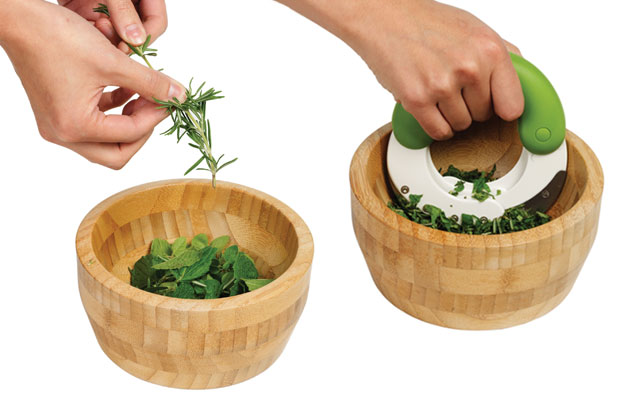 t might even encourage you to try different herbs that you’ve never used before, thus expanding your culinary horizons. Effectively using the herb stripper requires some essential tips. First and foremost, always wash and dry fresh herbs immediately after buying them to remove any bugs or dirt. To keep them fresh, wrap them in paper towels and store them in resealable bags. Don’t forget to use them in the days following the purchase to maximize their flavor.
Rosemary: Known for its fantastic woodsy flavor similar to pine, rosemary is perfect for dishes like lamb chops, roast beef, roasted potatoes, and even flatbread, sweet potato fries, and cake. The herb stripper will make preparing rosemary a breeze. Cilantro: Cilantro, or cilantro leaf, has a lively and spicy flavor that some people love.  It is commonly used in Asian and Latin American cuisine, both raw and cooked. It adds a tasty touch to a variety of dishes without overpowering them. Dill: With its delicate yet fresh and earthy flavor, dill is frequently used in German and Scandinavian cuisine. It pairs well with poultry, yogurt, seafood, salads, soups, and even egg-based dishes like quiche. Marjoram: Although milder in flavor than oregano, marjoram still brings a powerful boost. It pairs well with vegetables, meat, salads, soups, sauces, fish, and more. Don’t throw away the stems, as they can enhance the flavor of stocks or soups.